by Miquel Farré
The recent success of Obsession, Backrooms, and Iron Lung is reminding us, once again, of the power of fandoms. These movies were box-office hits, thanks to fan base that sparked the flywheel driving audiences to movie theaters.
But driving audiences for one cinematic release is only the tip of the iceberg when it comes to the power of fandoms.
To appreciate that, all you need to do is to attend a local anime event and see the amazing artwork on display in the form of cosplay. The time and dedication of these fans speak to the depth of their engagement with the characters and their stories.
And that brings me to the question of “What is the essential ingredient of a lasting fandom?” To me, the strongest fandoms form around original characters rooted in real human experiences and lived experiences that audiences recognize, emotions they feel, aspirations they share, disappointments and fears they have gone through.
While AI can support the generation process, only artists with taste and a deep understanding of their character’s story can originate worlds where these characters, with all their superpowers and flaws, come to life.
Fandom has always been about participation, but increasingly that participation has a digital venue, giving more fans a way to express their love for characters. This started with clipping and remixing. It took a while for IP holders to get over their anxieties and recognize the power of these digital love letters, but they are increasingly realizing the power of such digital fan participation as a way of building durable relationships that last between release cycles and premieres.
Deloitte draws a major distinction between fans and audiences, explaining that audiences simply consume, while “fans represent a segment of consumers seeking long-term, consistent relationships with the intellectual property, artists, teams, and franchises they love.”
But for that fandom connection to happen, the character has to feel like more than a collection of visual traits and prompts come to life.
Part of what draws us to a character is recognizing something of ourselves in them. In a University of Florida study, Game of Thrones fans tended to project their own personality traits onto the show’s characters. The researchers suggested that this perceived similarity helps explain why those relationships can feel personal.
The characters people stay attached to have wants, fears, contradictions, and flaws that are recognizably human. That kind of attachment doesn’t come from visual polish alone.
One of the oldest principles of storytelling is that character is revealed through choice. What someone wants, what they fear, and what they do when those things come into conflict is what makes them feel human.
The biggest mistake I see is creators who focus on artistic style and feel while giving too little thought to the characters themselves. GenAI has exacerbated this because it is so easy to get lost in spectacular visuals and lose track of the core question: “who is this character?”
They’ll say things like: “I want the animation to feel epic, with lots of action, and heroes that are brave and can fight powerfully.” That tells me what the hero does, but not who the hero is or why someone would care enough to engage, share, and participate.
That's where I think the role of AI needs to be understood clearly. Creators need tools that help them develop compelling characters through a human-led, AI-assisted production process.
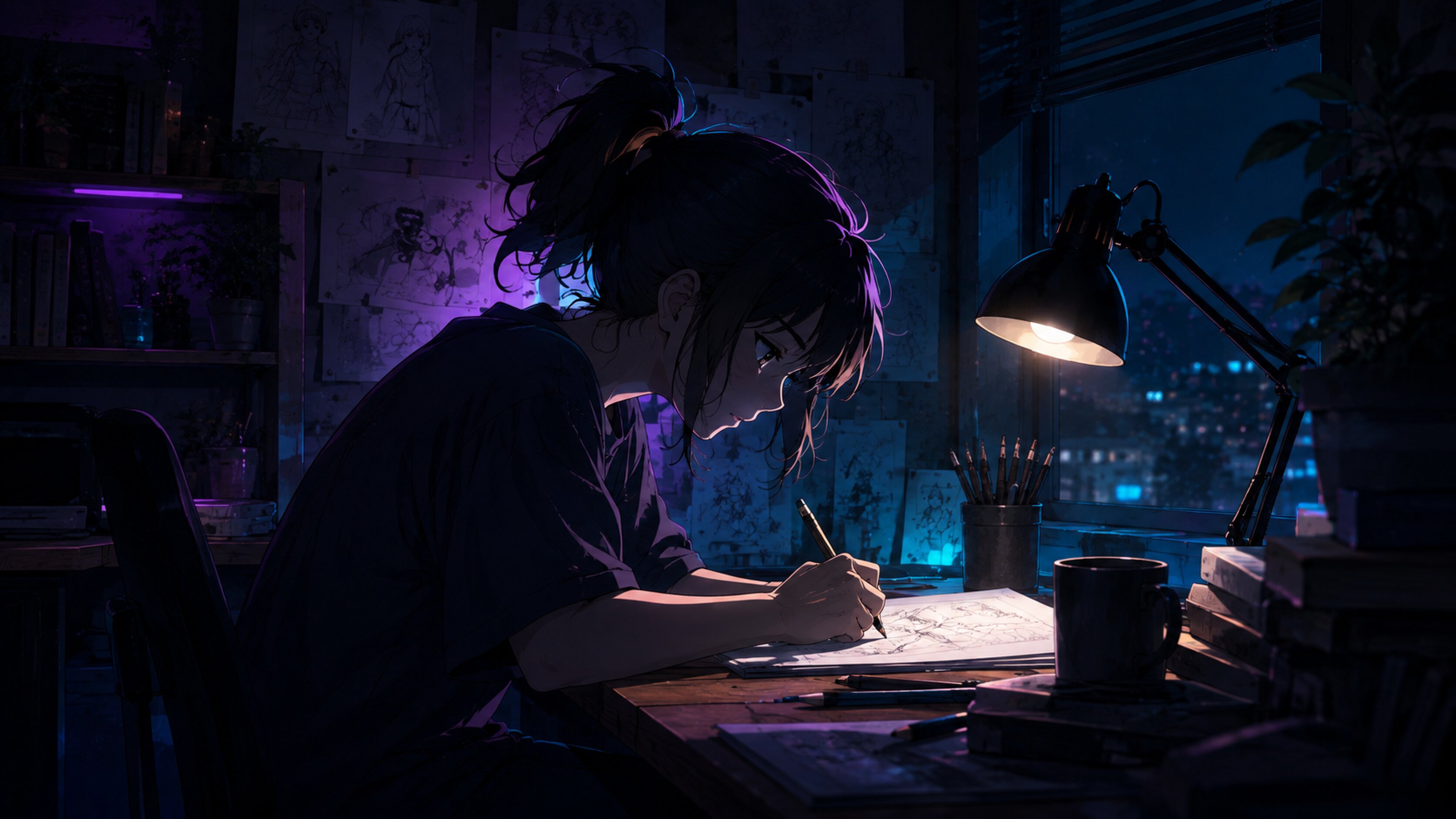
The details that make a character worth caring about need to survive the journey from an idea to the screen. A character’s vulnerability might come through in their expression, their relationship with another character, or a moment of hesitation. Bringing those details to life takes deliberate choices throughout production.
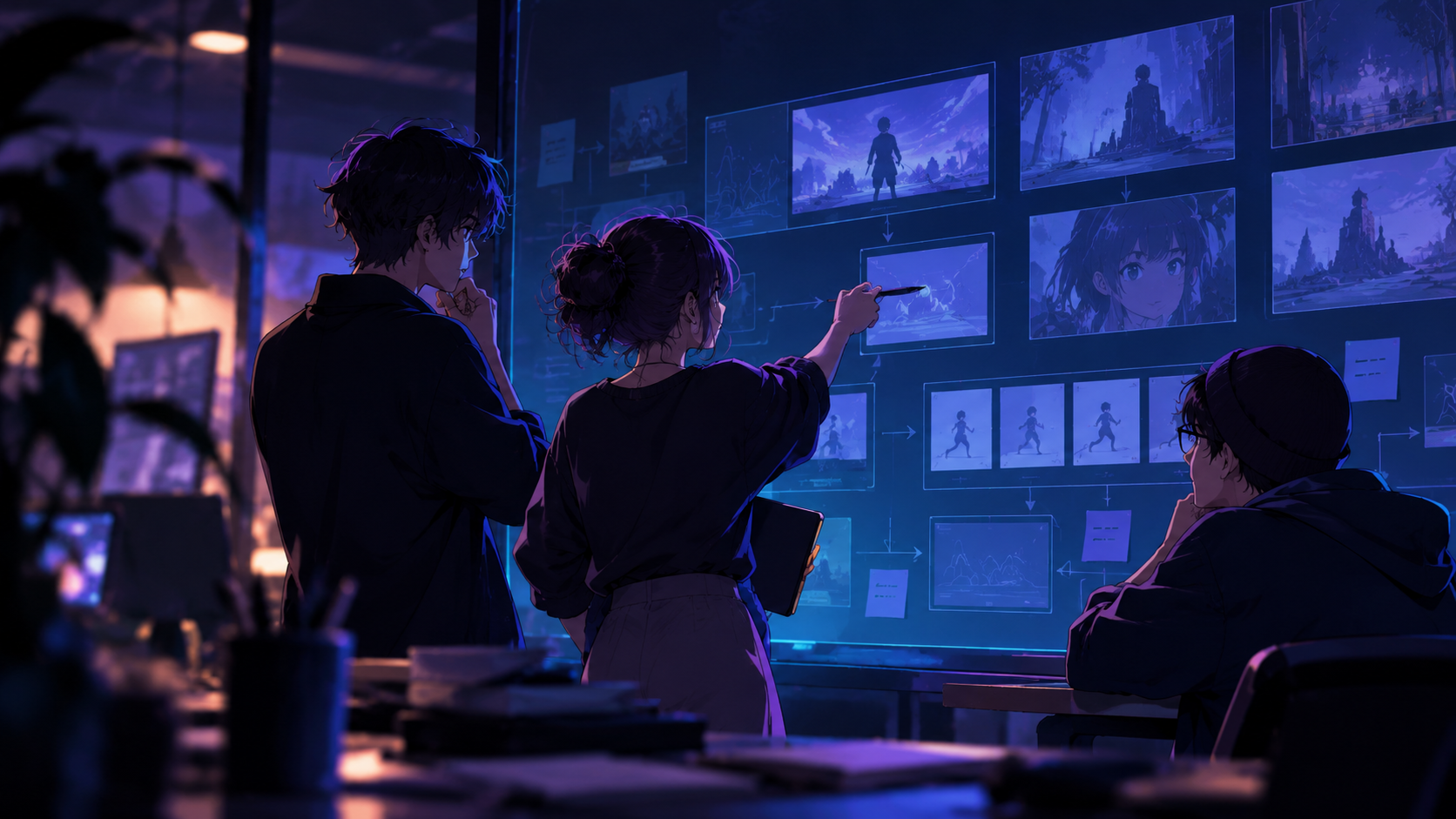
That’s the thinking behind AIDA, our AI-enabled workbench of animation tools. Creators begin in Playground, where they develop characters, art styles, environments, and props that carry through the rest of the process. AIDA supports story development and the breakdown into acts, scenes, and shots, proposing choices and explaining its reasoning for the creator to review and direct.
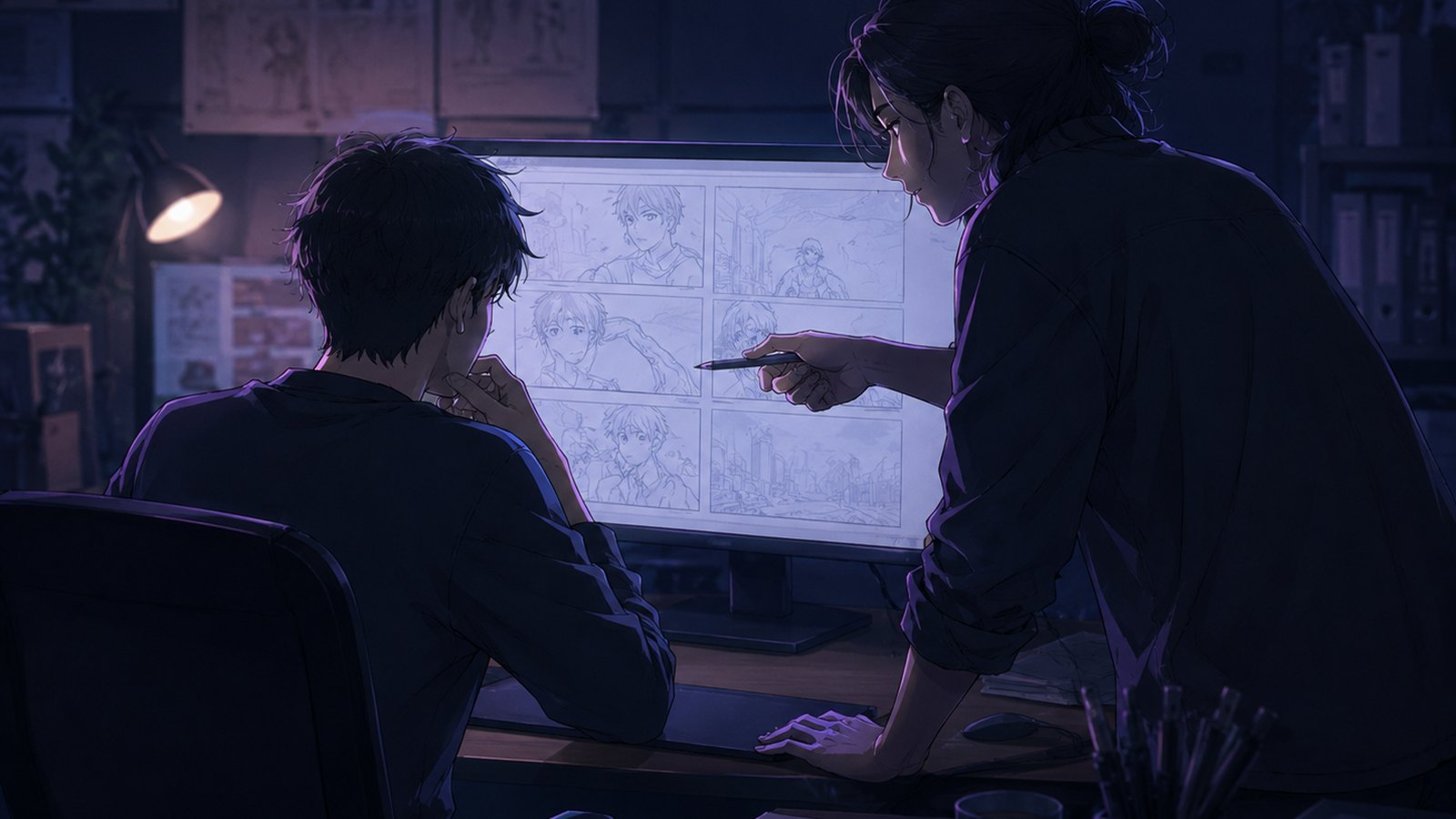
As the story takes visual shape, creators can refine sketches, adjust character positioning, and make decisions about camera angles and composition before moving into image and video generation. Each stage gives them an opportunity to ask whether what appears on screen reflects the character they have in mind.
For me, that connection between the creator’s intent and the finished work is essential. When a character draws on something the creator understands about being human, those qualities deserve care throughout production. They give audiences something to recognize, become attached to, and imagine beyond the story they’ve been given.
by Miquel Farré
by Disha Gupta
by Ruchir Joshi
The recent success of Obsession, Backrooms, and Iron Lung is reminding us, once again, of the power of fandoms. These movies were box-office hits, thanks to fan base that sparked the flywheel driving audiences to movie theaters.
But driving audiences for one cinematic release is only the tip of the iceberg when it comes to the power of fandoms.
To appreciate that, all you need to do is to attend a local anime event and see the amazing artwork on display in the form of cosplay. The time and dedication of these fans speak to the depth of their engagement with the characters and their stories.
And that brings me to the question of “What is the essential ingredient of a lasting fandom?” To me, the strongest fandoms form around original characters rooted in real human experiences and lived experiences that audiences recognize, emotions they feel, aspirations they share, disappointments and fears they have gone through.
While AI can support the generation process, only artists with taste and a deep understanding of their character’s story can originate worlds where these characters, with all their superpowers and flaws, come to life.
Fandom has always been about participation, but increasingly that participation has a digital venue, giving more fans a way to express their love for characters. This started with clipping and remixing. It took a while for IP holders to get over their anxieties and recognize the power of these digital love letters, but they are increasingly realizing the power of such digital fan participation as a way of building durable relationships that last between release cycles and premieres.
Deloitte draws a major distinction between fans and audiences, explaining that audiences simply consume, while “fans represent a segment of consumers seeking long-term, consistent relationships with the intellectual property, artists, teams, and franchises they love.”
But for that fandom connection to happen, the character has to feel like more than a collection of visual traits and prompts come to life.
Part of what draws us to a character is recognizing something of ourselves in them. In a University of Florida study, Game of Thrones fans tended to project their own personality traits onto the show’s characters. The researchers suggested that this perceived similarity helps explain why those relationships can feel personal.
The characters people stay attached to have wants, fears, contradictions, and flaws that are recognizably human. That kind of attachment doesn’t come from visual polish alone.
One of the oldest principles of storytelling is that character is revealed through choice. What someone wants, what they fear, and what they do when those things come into conflict is what makes them feel human.
The biggest mistake I see is creators who focus on artistic style and feel while giving too little thought to the characters themselves. GenAI has exacerbated this because it is so easy to get lost in spectacular visuals and lose track of the core question: “who is this character?”
They’ll say things like: “I want the animation to feel epic, with lots of action, and heroes that are brave and can fight powerfully.” That tells me what the hero does, but not who the hero is or why someone would care enough to engage, share, and participate.
That's where I think the role of AI needs to be understood clearly. Creators need tools that help them develop compelling characters through a human-led, AI-assisted production process.
The details that make a character worth caring about need to survive the journey from an idea to the screen. A character’s vulnerability might come through in their expression, their relationship with another character, or a moment of hesitation. Bringing those details to life takes deliberate choices throughout production.
That’s the thinking behind AIDA, our AI-enabled workbench of animation tools. Creators begin in Playground, where they develop characters, art styles, environments, and props that carry through the rest of the process. AIDA supports story development and the breakdown into acts, scenes, and shots, proposing choices and explaining its reasoning for the creator to review and direct.
As the story takes visual shape, creators can refine sketches, adjust character positioning, and make decisions about camera angles and composition before moving into image and video generation. Each stage gives them an opportunity to ask whether what appears on screen reflects the character they have in mind.
For me, that connection between the creator’s intent and the finished work is essential. When a character draws on something the creator understands about being human, those qualities deserve care throughout production. They give audiences something to recognize, become attached to, and imagine beyond the story they’ve been given.
by Miquel Farré
by Disha Gupta
by Ruchir Joshi
The recent success of Obsession, Backrooms, and Iron Lung is reminding us, once again, of the power of fandoms. These movies were box-office hits, thanks to fan base that sparked the flywheel driving audiences to movie theaters.
But driving audiences for one cinematic release is only the tip of the iceberg when it comes to the power of fandoms.
To appreciate that, all you need to do is to attend a local anime event and see the amazing artwork on display in the form of cosplay. The time and dedication of these fans speak to the depth of their engagement with the characters and their stories.
And that brings me to the question of “What is the essential ingredient of a lasting fandom?” To me, the strongest fandoms form around original characters rooted in real human experiences and lived experiences that audiences recognize, emotions they feel, aspirations they share, disappointments and fears they have gone through.
While AI can support the generation process, only artists with taste and a deep understanding of their character’s story can originate worlds where these characters, with all their superpowers and flaws, come to life.
Fandom has always been about participation, but increasingly that participation has a digital venue, giving more fans a way to express their love for characters. This started with clipping and remixing. It took a while for IP holders to get over their anxieties and recognize the power of these digital love letters, but they are increasingly realizing the power of such digital fan participation as a way of building durable relationships that last between release cycles and premieres.
Deloitte draws a major distinction between fans and audiences, explaining that audiences simply consume, while “fans represent a segment of consumers seeking long-term, consistent relationships with the intellectual property, artists, teams, and franchises they love.”
But for that fandom connection to happen, the character has to feel like more than a collection of visual traits and prompts come to life.
Part of what draws us to a character is recognizing something of ourselves in them. In a University of Florida study, Game of Thrones fans tended to project their own personality traits onto the show’s characters. The researchers suggested that this perceived similarity helps explain why those relationships can feel personal.
The characters people stay attached to have wants, fears, contradictions, and flaws that are recognizably human. That kind of attachment doesn’t come from visual polish alone.
One of the oldest principles of storytelling is that character is revealed through choice. What someone wants, what they fear, and what they do when those things come into conflict is what makes them feel human.
The biggest mistake I see is creators who focus on artistic style and feel while giving too little thought to the characters themselves. GenAI has exacerbated this because it is so easy to get lost in spectacular visuals and lose track of the core question: “who is this character?”
They’ll say things like: “I want the animation to feel epic, with lots of action, and heroes that are brave and can fight powerfully.” That tells me what the hero does, but not who the hero is or why someone would care enough to engage, share, and participate.
That's where I think the role of AI needs to be understood clearly. Creators need tools that help them develop compelling characters through a human-led, AI-assisted production process.
The details that make a character worth caring about need to survive the journey from an idea to the screen. A character’s vulnerability might come through in their expression, their relationship with another character, or a moment of hesitation. Bringing those details to life takes deliberate choices throughout production.
That’s the thinking behind AIDA, our AI-enabled workbench of animation tools. Creators begin in Playground, where they develop characters, art styles, environments, and props that carry through the rest of the process. AIDA supports story development and the breakdown into acts, scenes, and shots, proposing choices and explaining its reasoning for the creator to review and direct.
As the story takes visual shape, creators can refine sketches, adjust character positioning, and make decisions about camera angles and composition before moving into image and video generation. Each stage gives them an opportunity to ask whether what appears on screen reflects the character they have in mind.
For me, that connection between the creator’s intent and the finished work is essential. When a character draws on something the creator understands about being human, those qualities deserve care throughout production. They give audiences something to recognize, become attached to, and imagine beyond the story they’ve been given.
by Miquel Farré
by Disha Gupta
by Ruchir Joshi